Hansen Protection

Hansen Protection
MARINE & OFFSHORE
Sektöründe bir asırdan fazla tecrübeye sahip olan Norveç merkezli Hansen Protection; çeşitli sektörler için standart ve özel üretim yüksek teknoloji tekstil ürünleri dizayn ve üretimini gerçekleştirmektedir. 1976 yılından itibaren Kuzey Denizi Petrol Endüstrisi için kurtarma ve hayatta kalma tekstil ürünleri araştırma geliştirmesi, ve üretimine yoğunlaşmıştır.
Bu çalışmalarının yanında, deniz botları için kumaş üretimi, tıp ve tarım sektörleri için ürün geliştirmelerinde de bulunmuştur. Ayrıca Norveç Savunma Kuvvetleri’nin de önde gelen tedarikçilerindendir.
Hansen Protection ürünlerinin çoğunluğunun üretimini tecrübeli ekibi ve son teknoloji üretim olanakları ile Norveç’de gerçekleştirmektedir. Üretimde kullanılan materyaller özel laboratuvarlarda test edilmektedir ve üretimi tamamlanan ürünler zorlu bir test sürecinden geçirilmektedir.
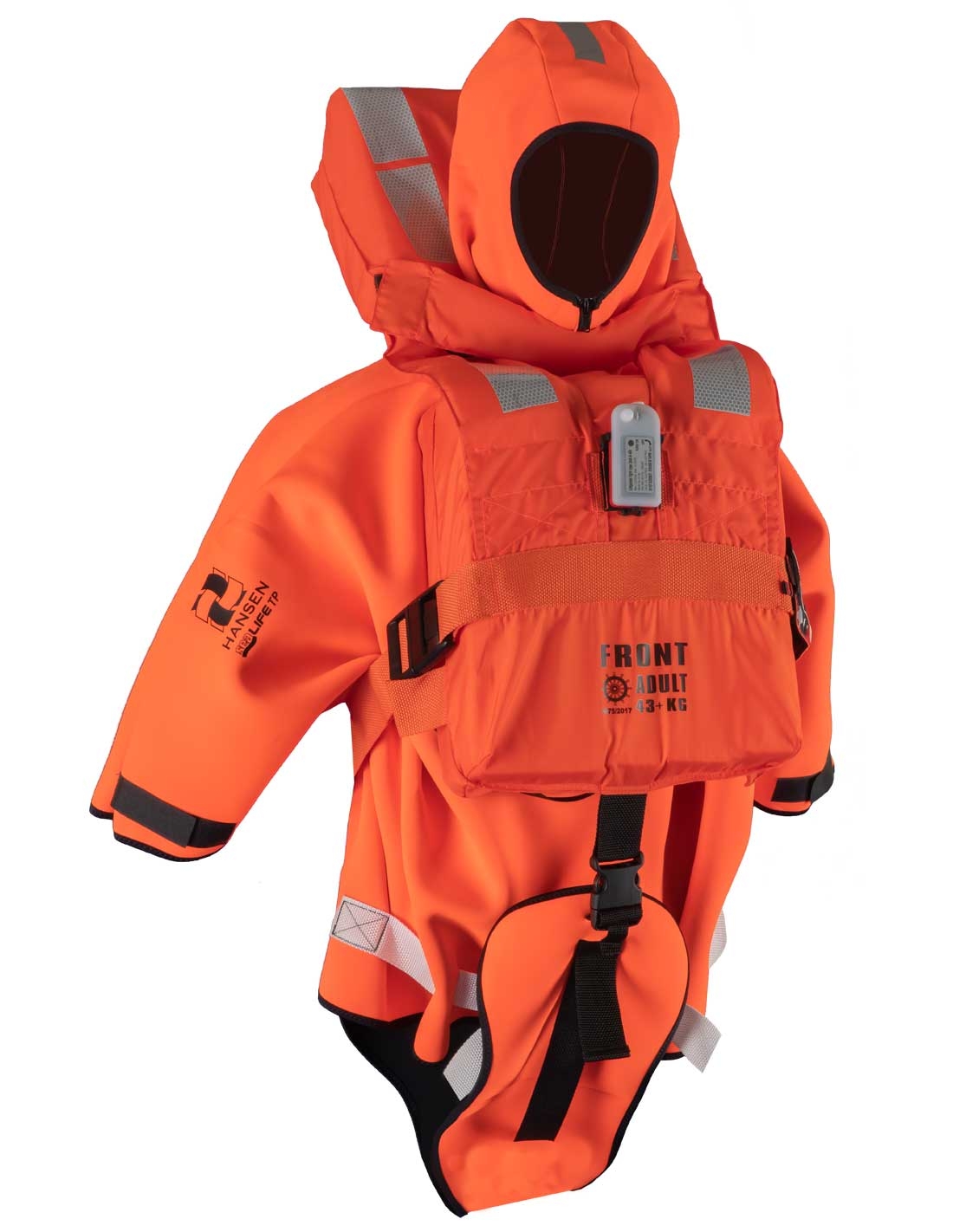
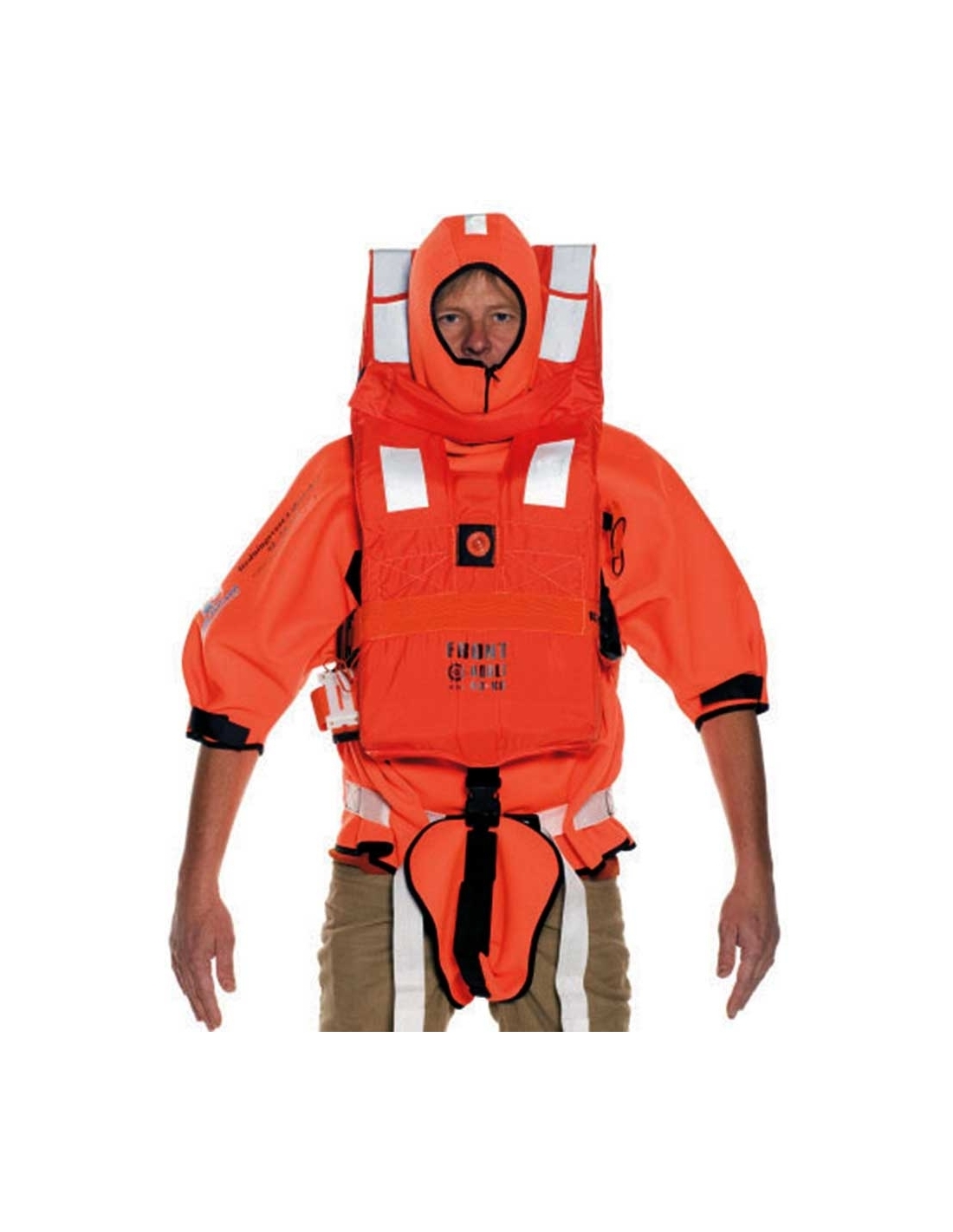
On ships and mobile drilling units, there shall be approved insulated immersion suits on board which shall be available at the muster station in the event of an emergency. An insulated immersion suit has a certification in accordance with IMO/Solas´ LSA Code; and is tested and approved to a number of requirements such as thermal protection, mobility, floating position, freeboard, size, resistance flames etc. The LSA code is the minimum requirement, which of course is met by Hansen Protection immersion suits. Our goal and practice is to override the minimum requirements of the standard. This is among others through use of materials that can withstand more and provide better protection, as well as functional details that simplify use, and thereby the safety in an emergency.
Some examples: The standard size will fit 95% of the population; thus there is no need for many suits in special sizes. This can complicate and delay evacuation in an emergency where every second is critical. However, in our collection, we offer emergency immersion suits for the 5% share of the adult population having difficulty using a standard suit.
On many of our immersion suits for use in emergency, we use a sole on the socks as a good car tire, which means you do not slip on a wet, tearing deck surface. Should there be a fire on board and the deck becomes overheated, these soles protect your feet. Another example is that Hansen Protection uses a buddy line and hook that floats and is easy to handle. This may seem a small and insignificant detail, but can be crucial in a critical situation.
Our more advanced suits have an integral inflatable hood for better face sealing and buoyancy, - as well as sprayhood that not only protects against sea spray but also seabirds going after your eyeballs ...
Emergency suits for the professional crew are all insulated immersion suits that will provide a minimum of 6 hours thermal protection in cold water, ie between + 2 °C and 0 °C. The regulation allows the test subjects core temperature to sink by up to 2 °C during a 6-hour test. A core temperature drop of 2 °C you have reached the first phase of hypothermia that may be harmful to health and, not least, uncomfortable. When testing our costumes, the temperature of the kettles drops by a maximum of 0.6 °C after 6 hours in cold water, which means that in practice you can stay longer in the water without exceeding your health.
Emergency suits for passengers on ferries and cruise ships have other requirements. For this purpose, HP has lightweight suits that provide a minimum of 1 hour thermal protection. In Norway, these are used by several ferry operators. Internationally, these suits are also form part of the survival kits according to the Polar Code. In the Polar Code, the minimum requirement is that such suits should satisfy the standard of TPA´s (Thermal Protective Aid). Such protection is also part of HP´s offering.


Survival suits for various work tasks, - with and without integrated buoyancy
Work suits are survival suits for use in daily work on board, or in transit between installations. These are suits designed for safety combined with freedom of movement when performing tasks such as maintenance in exposed situations. Hansen Protection has developed, manufactured and sold work suits since 1975 and is a favorite among the users. We develop suits for many different user areas, giving you the choice of suits that can be tailored to the purpose. Our customers are found in most segments in the market, from regular shipping via fisheries and offshore wind energy, - to rescue services.
Work suits may be approved for use with and without lifejacket. Should you wear a lifejacket with your suit, this should be clearly stated. Workwear that can be used without a lifejacket must be approved as AES suits according to Solas´ LSA code. AES stands for the Anti Exposure Suit and this suit is designed provide the user a minimum of 12 cm freeboard when immersed in water. The buoyancy required to get this freeboard is usually achieved with integrated buoyancy in the suit, optionally in combination with an inflatable hood.
In work suits where a separate life jacket is required, the freeboard is obtained with an approved life jacket - normally with a minimum of 150N buoyancy. Do you carry a heavy tools or equipment? we recommend life jackets in the 275N class.
Fabrics
Work suits are made of both breathable and non-breathable fabrics. Our non-breathable fabrics have been used for decades, with the best experiences of durability and softness in cold conditions. Here you choose between suits in neoprene and PU coated nylon/oxford. To ventiltate excess heat, you can easily open the neck, possibly sleeves. If you choose a suit in this material, you are sure to have a suit with longevity and waterproofness.
Hansen Protection have a long experience with breathable fabrics. Suits made of breathable fabrics are in general somewhat more comfortable for work with higher intensity. These fabrics are available in three variants, one with highest flame retardance (Nomex), one that meets the flame requirements in aviation and one that meets the requirements for flame retardancy according to ISO 15027 and Solas´ LSA code. The fabrics are 3-layer, PTFE-laminated or coated with PU; - With a protective backing for wear resistance. We select fabrics carefully to which application the suit is intended, and withstand tough strain. Some of the fabrics are made by GoreTex.
Options - main zipper - neck seals - cuffs
Hansen Protection offers users a choice of different orientations of the waterproof zipper, - either with separate zip and neck seal (traditional diving suit solution) or with the watertight zip in a split/open neck seal. This last solution has the advantage that the suit is easy to don, and offers the possibility to fast and efficiently ventilate excess heat in the suit.
Innovations - Adjustable neck closure
On some of our suits with a separate waterproof zip and neck seal you can choose to have a unique and innovative adjustable neck seal. This neoprene seal is specially constructed to make it possible to open unexposed situations; - and may be closed in a simple handgrip when required. With proper use, this seal will be 100% watertight. This solution is very well received and popular in several user environments.
Gloves and hood
Most of our work suits are equipped with good working gloves and hoods in the neoprene. The gloves are flexible in size and have reinforcement in the palm and fingers. Both hood and gloves are easy to replace when needed.
Socks or boots
Some of our standard work suits are fitted with fixed boots in PU, PVC or neoprene. PU and PVC boots provide very good insulation and sole grip with an integrated steel tip (S4) that provides the necessary protection against dropping of heavy objects over the foot. Neoprene, the boots are chosen for good fit and insulation, - as well as the possibility of using swim fins.
Lining - thermal protection and buoyancy
Work suits that are approved for use without separate lifejackets are often fitted with a lining in closed-cell foam. This material provides good buoyancy, but also very good insulation.
Suits that must be used with approved lifejackets are normally provided with insulating lining, without buoyancy. This type of thrmal linings releases excess heat to the outer shell, takeing benefit rom the breathable proprties of the outer shell fabric.
Bag
All our suits are delivered with a spacious bag for suit and other belongings.


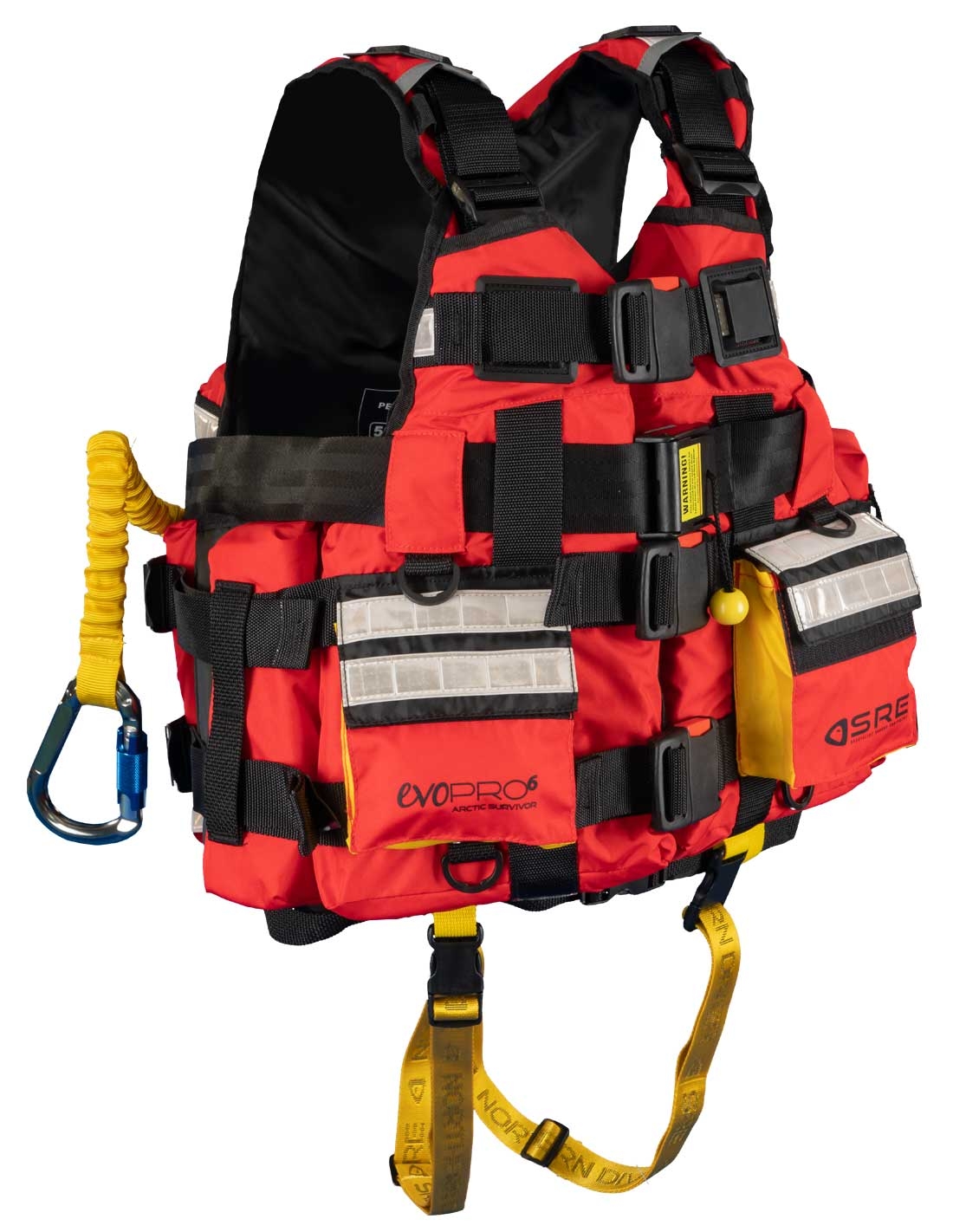
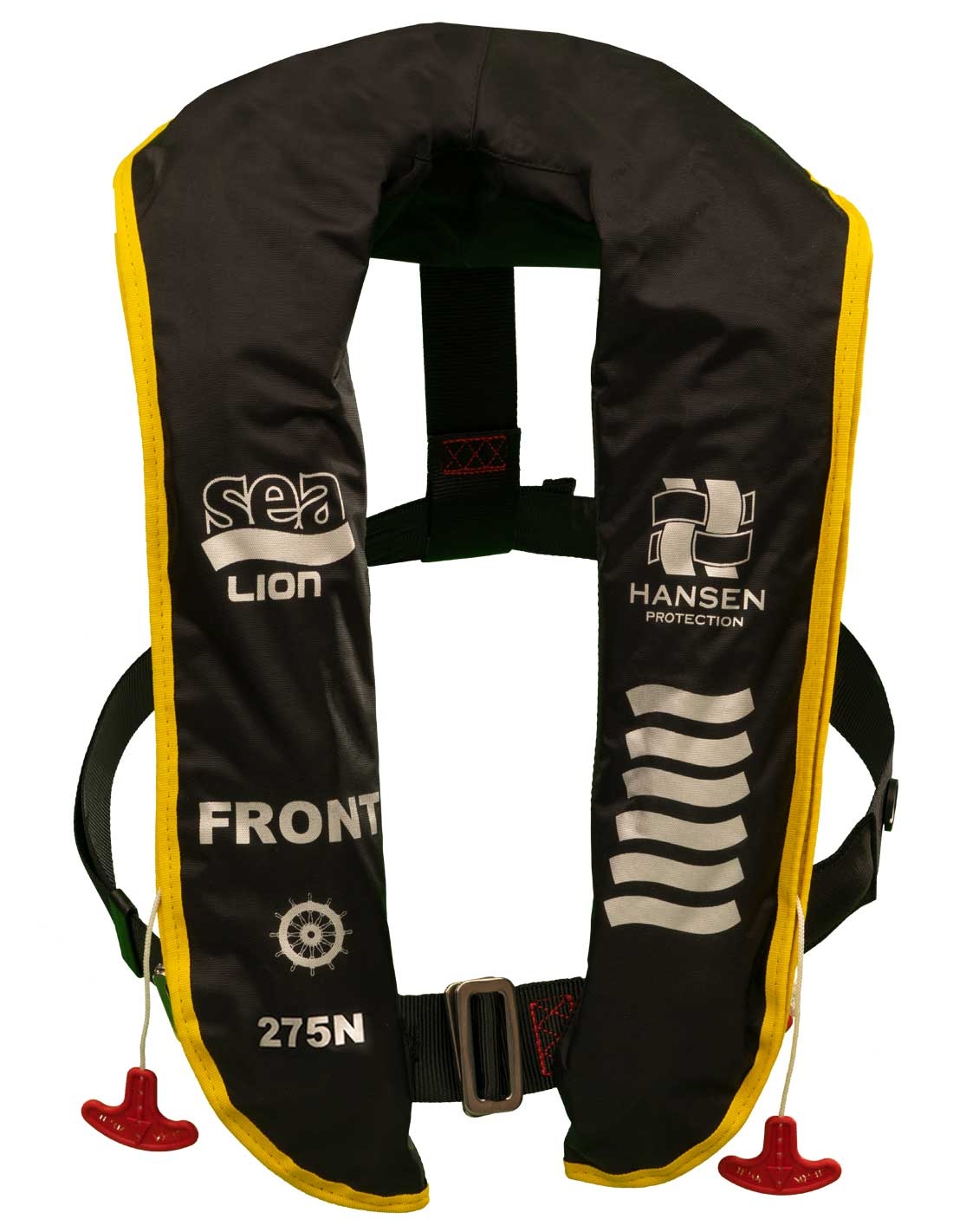
Our work- and lifejackets are carefully selected to function well both in daily work and in the event of an evacuation from a ship or installation. Depending on whether you are carrying out your daily work in the lifejacket or if you are only concerned with having rescue equipment available in case of an emergency, there are different models to be considered. The model range is spread from fixed buoyancy aids with 50N buoyancy to hybrid lifejackets with over 300N buoyancy. Here you will find vests for active rescue-personnel in NSSR (Norwegian Society for Sea Rescue), technicians in the Norwegian Coast Guard and the Norwegian Navy. Our lifejackets are designed to work with our immersion suits, and are normally supplied as a kit for our customers. Within the oil and gas industry in the UK, there is a requirement that lifejackets should contribute to an unconscious person being turned face up in the water after a possible evacuation. Our SeaLion Solas 275N Offshore lifejacket is tested to meet the requirements of the HSE UK Mensafe Test Ptocol along with our SeaEco immersion- /evacuation suit; - as one of few in the market.
Our inflatable lifejackets are offered with several release mechanisms, but mainly UML, HR and Hammar. These are reliable mechanisms, but differ from each other in that UML and HR have an activation mechanism triggered by immersion in water, while Hammar has a sophisticated sensor that trigger opening of the CO₂-cylinder at a certain water pressure . UML and HR must be checked annually, while the Hammar mechanism normally has a lifetime of five years. We can adapt to your wishes.